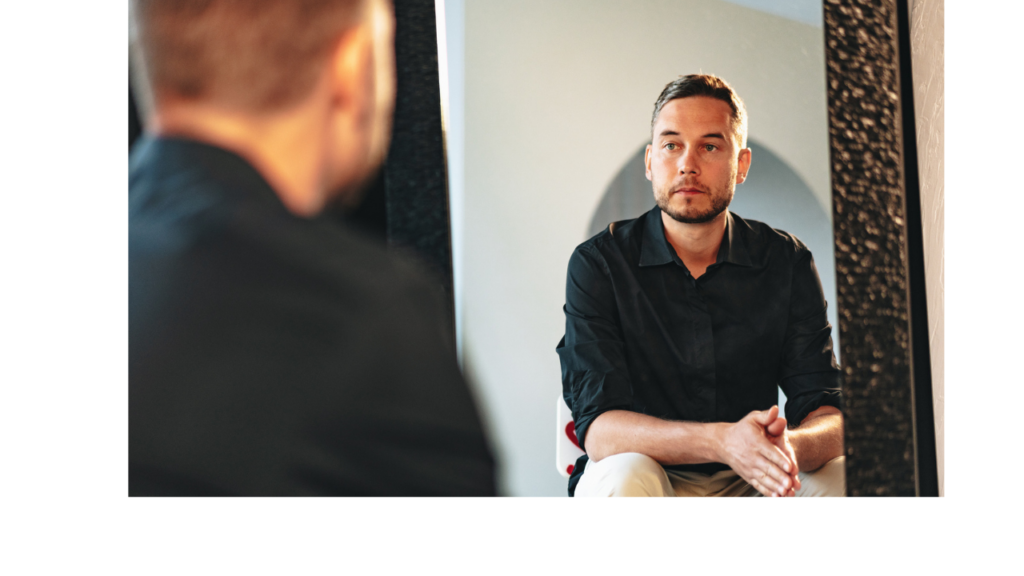
It’s Showtime, Folks
What does your leadership look like when there’s no audience, no urgency, and no one watching?

What does your leadership look like when there’s no audience, no urgency, and no one watching?

Leaders who learn to regulate their nervous systems under pressure make better decisions, have fewer relationship ruptures on their teams, and retain their people at higher rates.
It’s funny the memories that stick. My son is now the father of an eleven-year-old. But I still think about
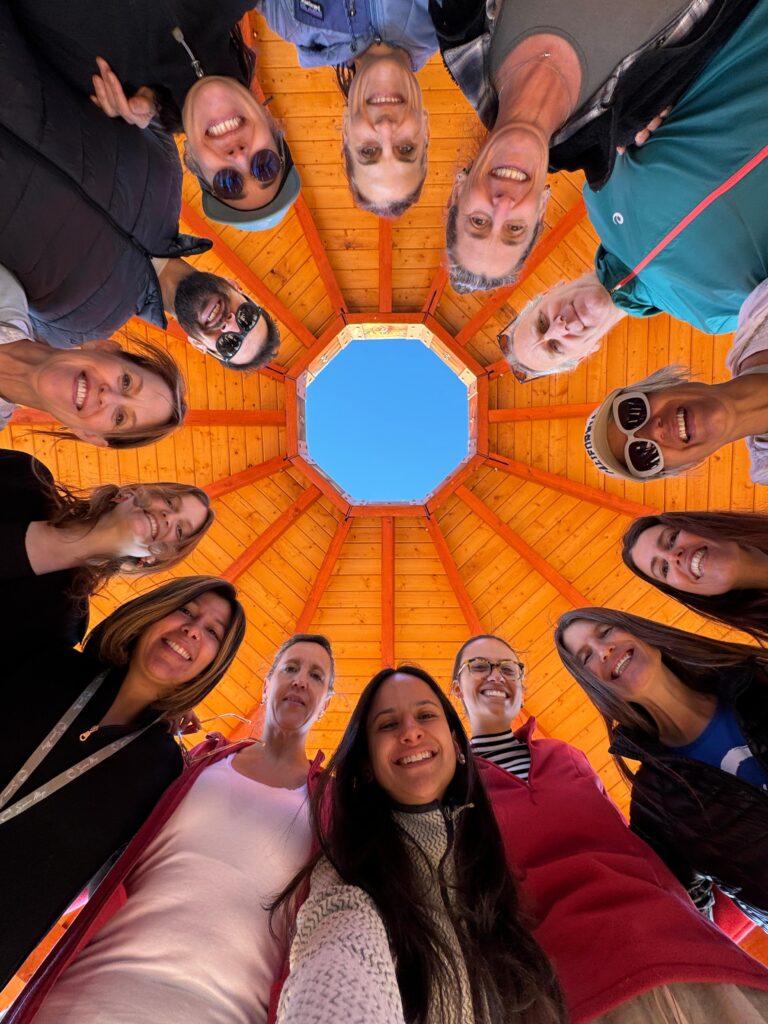
Twelve conservation scientists walked into a retreat center in Sedona, Arizona, carrying the weight of the planet. Not metaphorically —

When I hear leaders today expressing fear, uncertainty, even anger about AI — I recognize it. The shape of the disruption is different. The scale is different. But the human experience of it? Familiar.

“That’s just how I’m wired.”
How many times have you said that—or heard someone on your team say it?
Here’s what neuroscience has proven: it’s not true.

Ever feel like your leadership is all action and reaction—but missing something deeper? It’s second nature to lead from the head. But real, sustainable leadership starts from the inside out.

Have you ever caught yourself lying awake at night, replaying a conversation in your mind? You said something in the moment—maybe it wasn’t even harsh, but it landed wrong. And now your mind keeps circling back to that one sentence.

We’ve long idolized resilience in leadership—as if the pinnacle of effectiveness is simply the ability to bounce back, soldier on, and absorb stress like a sponge. But in today’s world of relentless disruption—from organizational upheavals to global crises—merely returning to baseline is not only insufficient, it can be harmful.

I’ll be honest — I’ve been feeling a bit off-center lately. Not burned out, not overwhelmed… just slightly misaligned, like I’ve been moving through my days without quite the clarity or grounded presence I usually rely on. It happens. Even when we know the tools. Even when we teach the tools.